





What is an RLP Wallet?
An RLP wallet is a digital interface designed to store, manage, and interact with the RLP token, which operates on the EVM (Ethereum Virtual Machine) blockchain. Robinhood Lending Protocol (RLP) is an experimental decentralized lending project suspected to be community-derived; the team disclosure is limited. The project focuses on on-chain collateralized lending, liquidity tokenization, and composability, targeting DeFi lending users and developers. The vision is to build an open lending ecosystem and gradually introduce community governance. Because RLP is built on the EVM, your RLP wallet functions as a gateway to the broader decentralized finance ecosystem, allowing you to hold assets that adhere to standard token protocols while interacting with smart contracts.
Download Bitget RLP Wallet
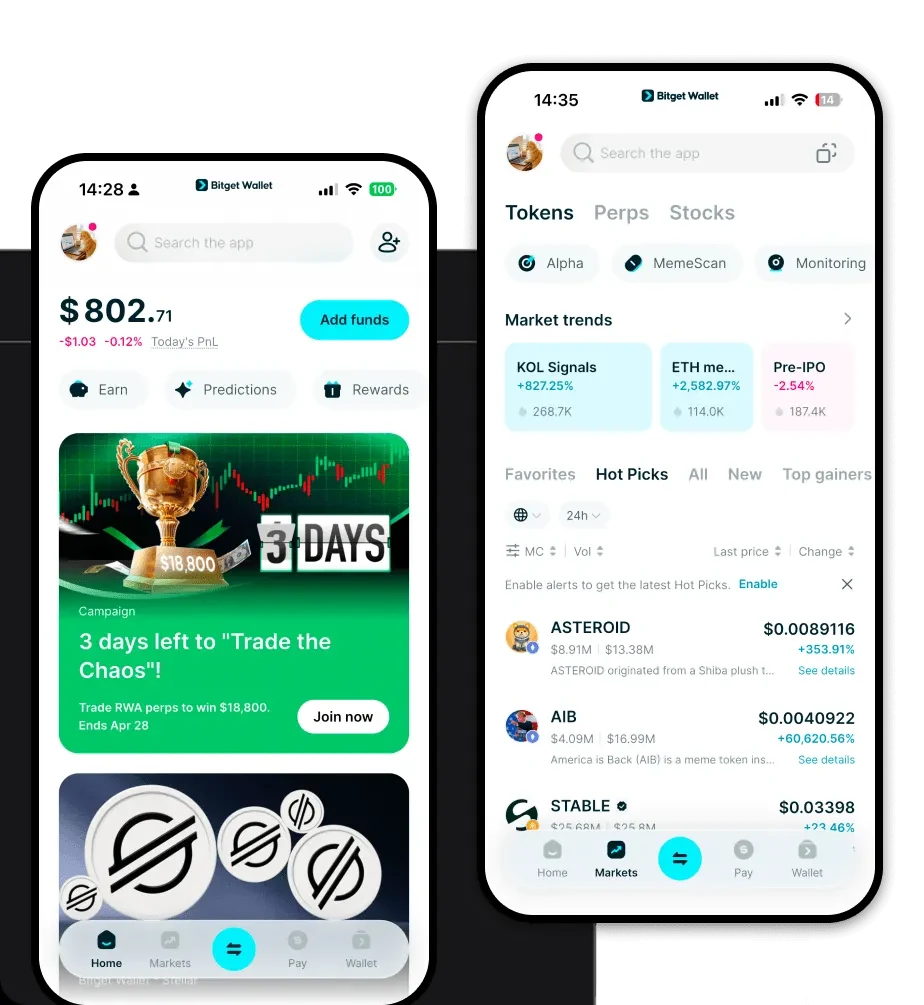
To securely access and manage your assets, you need a robust, non-custodial solution. Bitget Wallet stands out as a premier choice for RLP holders, offering a seamless experience across mobile and desktop. It provides full self-custody, ensuring you retain absolute control over your private keys. Whether you are using an iPhone, an Android device, or a browser extension on your computer, you can download Bitget Wallet to get started. It supports a vast array of chains, ensuring that your RLP wallet is never isolated but rather part of a unified multi-chain portfolio.
Why Choose Bitget RLP Wallet?
As an EVM-based token, RLP requires a wallet that understands the intricacies of the Ethereum ecosystem, gas fees, and smart contract execution. Bitget Wallet is optimized for these requirements:
- EVM Compatibility: Experience seamless integration with RLP protocols, ensuring you can interact with decentralized applications without compatibility errors.
- Advanced DeFi Dashboard: Track your RLP holdings alongside other DeFi assets with real-time analytics and portfolio tracking tailored for liquidity providers.
- Robust Security: Benefit from a 300 million USD user protection fund, which adds an extra layer of security for your assets on top of standard self-custody practices.
- Gas Fee Optimization: Bitget Wallet provides smart insights and tools to help you manage and optimize gas fees during network congestion, which is critical for active DeFi users.
How to Create an RLP Wallet
Setting up your RLP wallet on Bitget is a straightforward process designed for both beginners and experienced DeFi users:
- Install: Visit the official website to download the Bitget Wallet application for your preferred device.
- Initialize: Open the app and select 'Create a New Wallet' to generate a new set of keys.
- Backup: Carefully write down your 12 or 24-word recovery phrase and store it in a secure, offline location; never share this with anyone.
- Add RLP: Once your wallet is set up, locate the token management section and ensure the EVM network is selected. You can import or add RLP by pasting the contract address if it does not appear automatically.
- Start Transacting: You are now ready to send, receive, or interact with RLP protocols directly from your dashboard.
What Can You Do With an RLP Wallet?
With RLP, you are participating in a specialized DeFi ecosystem. Your wallet acts as the engine for your financial activities, enabling the following use cases:
- Providing Liquidity: Use your RLP wallet to deposit assets into decentralized pools, helping maintain market efficiency while earning fees.
- Collateralized Borrowing: Leverage your RLP or other supported assets as collateral to borrow stablecoins or other tokens within the protocol.
- Yield Farming: Participate in various liquidity mining programs to maximize your returns by locking your RLP in supported smart contracts.
- Governance Voting: Utilize your wallet to sign transactions that participate in decentralized governance, giving you a voice in the future of the protocol.
- Token Staking: Lock your RLP tokens within the protocol to earn rewards, contributing to the overall security and stability of the lending ecosystem.
How RLP Wallets Are Different from Other Crypto Wallets
When dealing with EVM-based tokens like RLP, your wallet must be distinct from those designed for UTXO-based chains like Bitcoin. While Bitcoin wallets focus on transaction inputs and outputs (UTXO), an RLP wallet is built on an account-based model. This model allows for the complex smart contract interactions required for DeFi features like liquidity tokenization and protocol composability. Furthermore, unlike chains that might use specific resource models (like EOS), the EVM model relies on gas fees to prioritize transactions. Bitget Wallet is specifically engineered to handle these account-based interactions, ensuring that your permissionless lending activities are smooth, transparent, and fully compatible with the broader DeFi landscape.