





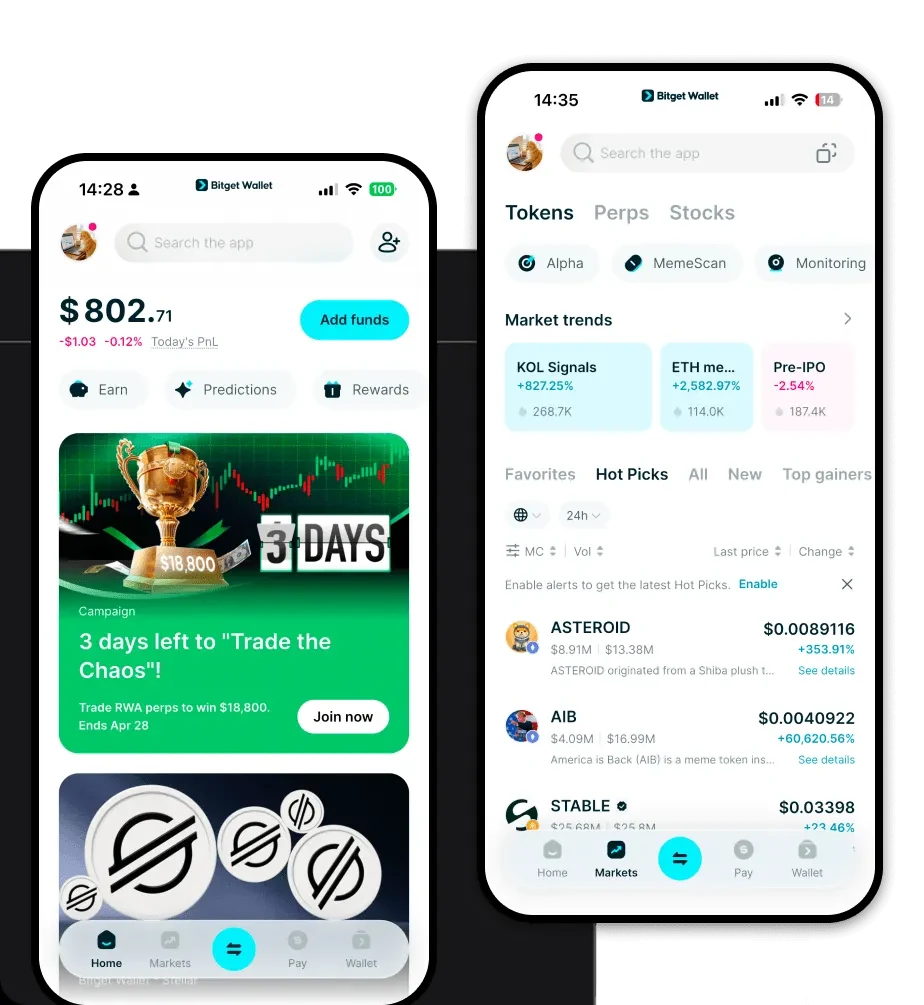
What is a pnet Wallet?
The pnet token represents a critical component within modern decentralized infrastructure, operating primarily on the Ethereum Virtual Machine (EVM) architecture. As an infrastructure-focused asset, pnet facilitates complex network interactions, ranging from node validation to secure communication protocols. Because it is built on the EVM, pnet benefits from the vast interoperability and standardized smart contract environments that dominate the current Web3 landscape. Are you looking for a reliable and secure crypto wallet for your pnet? Bitget Wallet will be your best choice. Trusted by 40 million users, you can freely explore Web3 on Bitget Wallet. Start your journey now! This platform ensures that your pnet assets are not only stored securely but are also ready for immediate interaction with the broader decentralized ecosystem.
Download Bitget pnet Wallet
To begin managing your tokens, you need a robust, user-friendly interface. The Bitget Wallet app provides a seamless experience for both beginners and advanced users. It features full support for private key self-custody, ensuring that you maintain total control over your assets. Whether you are using an iOS device, an Android smartphone, or a desktop browser extension, the experience remains unified and intuitive. To get started, you can download Bitget Wallet directly from the official portal. This wallet is designed to bridge the gap between complex infrastructure tokens and everyday usability, offering a multi-chain environment where pnet functions flawlessly alongside other major assets.
Why Choose Bitget pnet Wallet?
Choosing the right wallet is crucial for infrastructure assets like pnet. Bitget Wallet stands out for several key reasons:
- EVM Compatibility: As a native EVM-compatible wallet, Bitget ensures that pnet tokens interact perfectly with decentralized applications (DApps) and smart contracts without compatibility hurdles.
- Advanced Security Fund: With a protection fund exceeding 300 million USD, Bitget provides an extra layer of defense against potential on-chain threats, which is essential for long-term infrastructure holders.
- Seamless Interoperability: The wallet aggregates hundreds of DEXs and cross-chain bridges, allowing you to move your pnet assets across different networks with minimal friction.
- Decentralized Identity Integration: Bitget supports modern identity protocols, making it easier to manage your decentralized profile and credentials associated with the pnet network.
How to Create a pnet Wallet
Setting up your wallet is a straightforward process designed to prioritize your security. Follow these steps:
- Install the App: Download and install the Bitget Wallet application from the official website or your device's app store.
- Create a New Wallet: Open the app and select 'Create a New Wallet.' Ensure you are in a private environment while doing this.
- Backup Your Mnemonic Phrase: You will be given a 12-to-24-word recovery phrase. Write this down on paper and store it in a secure, offline location. Never share this with anyone.
- Set Your Password: Create a strong, unique password to encrypt your local wallet access.
- Add pnet: Once your wallet is active, use the 'Add Token' feature to search for pnet and enable it. Your pnet wallet address will then be generated, allowing you to receive tokens immediately.
What Can You Do With a pnet Wallet?
Beyond simple storage, a pnet wallet acts as a gateway to the infrastructure layer of the network. Here is how you can utilize your assets:
- Network Access Authentication: You can use your pnet wallet to verify your identity and gain access to exclusive decentralized network services.
- Securing Decentralized Communications: Leverage your pnet holdings to participate in secure, encrypted messaging protocols that rely on blockchain verification.
- Governance Voting: Engage in the democratic process of the project by using your pnet tokens to cast votes on critical network upgrade proposals and governance changes.
- Node Operation Incentives: Utilize your wallet to manage and stake your pnet tokens, which serves as a prerequisite for participating in node operations and earning network incentives.
How pnet Wallets Are Different from Other Crypto Wallets
Unlike standard wallets that might only focus on simple transfers, a pnet wallet built on the EVM model offers distinct advantages. While UTXO-based wallets focus on transaction inputs and outputs, the EVM model used by Bitget Wallet focuses on state-based accounts, which is far more efficient for executing complex smart contracts. This means that when you interact with pnet, you are utilizing a system that manages gas fees dynamically, ensuring your transactions are processed efficiently even during network congestion. Furthermore, the focus on infrastructure means that Bitget Wallet is optimized for higher-frequency interactions and lower latency, providing a superior experience compared to generic, one-size-fits-all wallet solutions.
