





What is a MicroChain Wallet?
A MicroChain wallet is a digital interface that allows you to interact with the MicroChain blockchain network. As a Layer 1 blockchain, MicroChain is designed to provide a reliable and secure environment for decentralized applications. Users can manage their MicroChain assets through trusted platforms like Bitget Wallet, which enables seamless Web3 exploration and asset management. By functioning as your gateway to the network, a dedicated wallet ensures that your private keys are secured while you engage with the broader ecosystem.
Download Bitget MicroChain Wallet
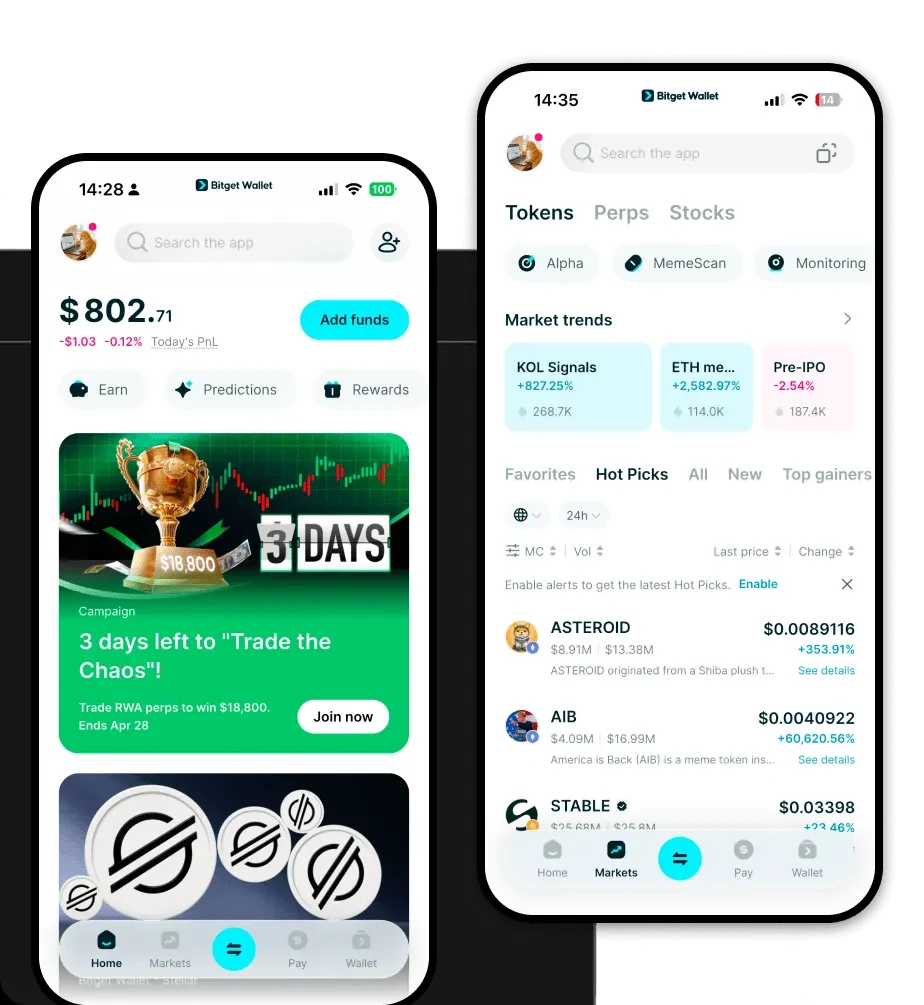
Getting started with your MicroChain journey requires a reliable entry point. Bitget Wallet stands out as a premier choice for users seeking a decentralized, non-custodial experience. Whether you prefer managing assets on the go or from your desktop, Bitget Wallet offers comprehensive support across iOS, Android, and browser extensions. Because it is a non-custodial wallet, you retain full control over your private keys, ensuring that your MicroChain assets remain exclusively under your ownership. To begin, you can download Bitget Wallet and follow the simple setup process to integrate your MicroChain assets into a unified, high-performance interface.
Why Choose Bitget MicroChain Wallet?
Selecting the right tool for a Layer 1 network is critical for performance and security. Bitget Wallet offers several distinct advantages tailored for the MicroChain ecosystem:
- High-Performance Integration: Bitget Wallet is optimized to handle MicroChain's high scalability, ensuring that your transactions are processed rapidly without congestion.
- Security-First Architecture: Leveraging a secure consensus mechanism, Bitget Wallet adds an extra layer of protection, backed by a $300 million user protection fund.
- Developer-Centric Compatibility: The wallet is built to support the developer-friendly environment of MicroChain, making it easier for users to connect with new dApps as they launch.
- Low Latency Transactions: By minimizing overhead, the wallet ensures you benefit from MicroChain's low transaction latency, keeping your interaction with the chain smooth and responsive.
How to Create a MicroChain Wallet
- Download and Install: Visit the official site and download the Bitget Wallet app on your mobile device or browser extension.
- Initialize Your Wallet: Open the app and select 'Create a New Wallet' to generate a unique set of seed phrases.
- Back Up Your Seed Phrase: Carefully write down and store your recovery phrase offline; this is the only way to recover your assets if you lose access to your device.
- Enable MicroChain Support: Navigate to the network settings or asset management tab within the wallet and ensure the MicroChain network is enabled.
- Verify Your Address: Once configured, your MicroChain wallet address will be visible, allowing you to receive assets or interact with the network.
What Can You Do With a MicroChain Wallet?
A MicroChain wallet is more than just a storage tool; it is your command center for the entire network. Using Bitget Wallet, you can engage in the following activities:
- Asset Transfers: Easily send and receive MicroChain tokens globally with minimal friction and high speed.
- Network Staking: Participate in network staking directly through your wallet interface to help secure the network while earning potential rewards.
- dApp Interaction: Utilize the built-in DApp browser to connect with decentralized finance platforms, marketplaces, and other services built on MicroChain.
- Governance Participation: Cast your votes on network upgrade proposals or community initiatives, directly influencing the future of the MicroChain ecosystem.
How MicroChain Wallets Are Different from Other Crypto Wallets
Unlike wallets designed for legacy chains or specific token standards, a MicroChain-compatible wallet is built to handle the unique architecture of a modern Layer 1 network. While some older wallets struggle with transaction throughput, the Bitget MicroChain wallet is architected to prioritize low latency and high scalability. Furthermore, because MicroChain utilizes a distinct consensus mechanism compared to traditional Proof-of-Work or basic Proof-of-Stake models, the wallet is optimized to handle network-specific staking and governance interactions natively. This ensures that you aren't just using a generic storage container, but a specialized tool designed to keep pace with the high-speed, secure environment that MicroChain provides.
