





What is a hooja Wallet?
A hooja wallet is a digital interface designed to interact with the hooja token ecosystem, which operates on the EVM-based Robinhood Chain. Because hooja functions within an EVM environment, your wallet serves as your gateway to decentralized applications, token swaps, and on-chain governance specific to this project. Hooja itself is a derivative token initiated by the pseudonymous creator @voraxyz. The project features an anonymous development team and centers its narrative around 'bandit rewards' and a distinct, hooded visual theme. Designed as a lightweight, experimental token ecosystem, hooja focuses on community incentives and profit redistribution, specifically targeting small holders and niche subcultural communities.
Download Bitget hooja Wallet
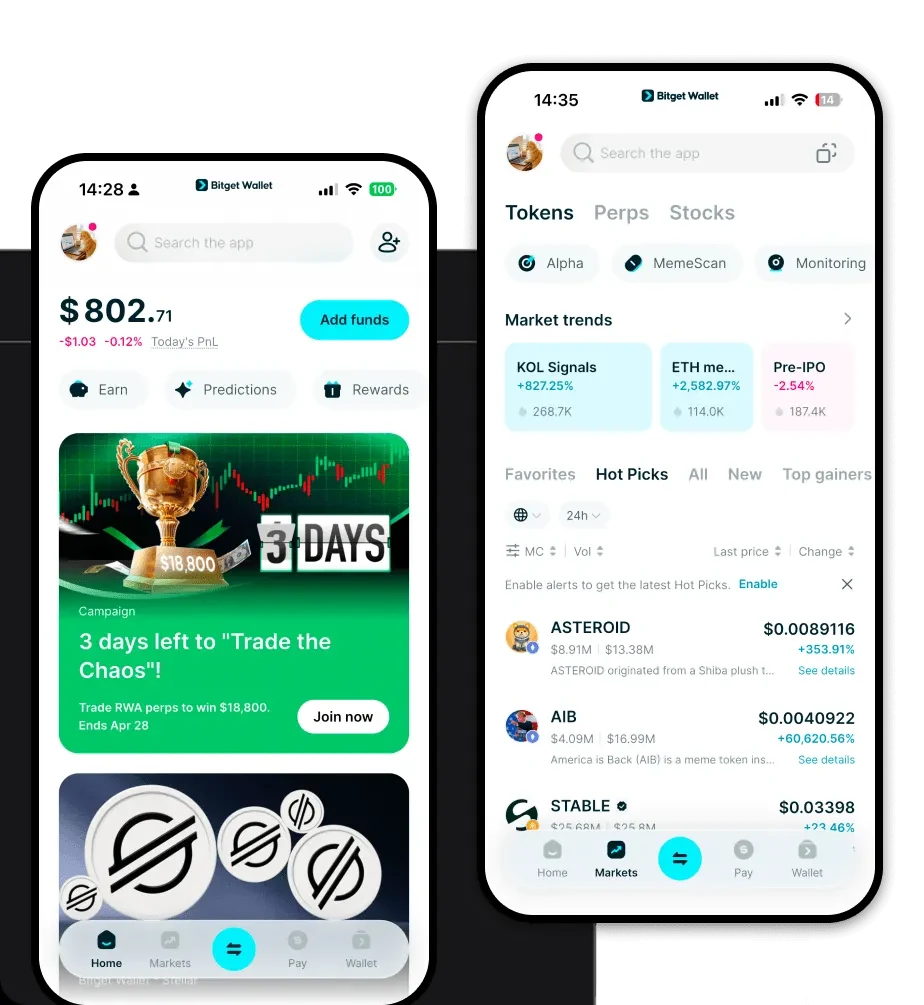
To fully experience the hooja ecosystem, you need a robust, self-custodial interface that prioritizes both security and user experience. Bitget Wallet provides a seamless environment for managing your assets, ensuring you maintain full control over your private keys at all times. Whether you are an iOS user, an Android enthusiast, or prefer managing your portfolio via a browser extension, Bitget offers a comprehensive solution. You can download Bitget Wallet today to start your journey. It supports a vast array of chains, allowing you to manage your hooja tokens alongside other assets in a unified, multi-chain interface.
Why Choose Bitget hooja Wallet?
- EVM Compatibility: As a token on the Robinhood Chain, hooja benefits from full EVM compatibility. Bitget Wallet is optimized for this architecture, ensuring seamless interaction with smart contracts and instant token recognition.
- Advanced Security Infrastructure: Bitget Wallet integrates with a $300 million user protection fund, offering an extra layer of defense against potential on-chain threats while you interact with experimental meme ecosystems.
- Gas Fee Optimization: Bitget’s intelligent gas fee estimation ensures you never overpay for transactions, a critical feature when engaging in high-frequency trading or participating in profit-redistribution protocols.
- Meme Ecosystem Integration: The wallet features a dedicated DApp browser that allows you to connect directly to the hooja ecosystem, making it easier to track community rewards and participate in subcultural governance.
How to Create a hooja Wallet
Setting up your wallet is a straightforward process designed to get you ready for the Robinhood Chain in minutes:
- Install the App: Visit the official website to download Bitget Wallet and install it on your preferred device.
- Create a New Wallet: Open the app and select 'Create Wallet.' Follow the prompts to generate a new recovery phrase.
- Secure Your Backup: Write down your 12-word seed phrase on paper and store it offline; never share this with anyone, as it is the only way to recover your funds.
- Verify Compatibility: Ensure your wallet interface is set to support the Robinhood Chain or the relevant EVM network where hooja is deployed.
- Import or Receive: You can now copy your hooja wallet address from the main dashboard to receive tokens from an exchange or another peer.
What Can You Do With a hooja Wallet?
Managing hooja through a dedicated wallet opens up several specific utility avenues:
- Trading: You can execute swaps for hooja directly through the integrated DEX aggregators, ensuring you get the best market rates for your trades.
- Community Participation: Use your wallet to connect to project portals where you can actively participate in community governance and voting mechanisms.
- Speculative Investment: Securely store your hooja holdings while monitoring price fluctuations and market trends in real-time within the wallet interface.
- Meme Token Ecosystem Engagement: Leverage your wallet to interact with unique 'bandit reward' features and claim profit redistribution distributions directly to your address.
How hooja Wallets Are Different from Other Crypto Wallets
Unlike wallets designed for Bitcoin’s UTXO model, which focuses on discrete transaction outputs, a hooja wallet operates on an Account-based model common to EVM chains. This means your wallet tracks a balance rather than a list of unspent coins, which is essential for interacting with the complex smart contracts that power the hooja profit-redistribution mechanism. Furthermore, while Bitcoin wallets often struggle with complex dApp interactions, a hooja-compatible wallet like Bitget is built specifically to handle the high-speed, low-cost gas environment required for active meme token trading. This architectural difference ensures that your transactions are processed quickly and that you can effortlessly track your participation in various community-driven incentives without the friction found in legacy wallet systems.
