





1. What is an FDT Wallet?
An FDT wallet is a digital gateway designed to interact with the Fintoch ecosystem. Fintoch (FDT) is a decentralized financial platform that utilizes a unique multi-signature security mechanism to provide cross-chain lending and financial services. It aims to offer secure and efficient DeFi solutions for users looking to manage their digital assets across different blockchain networks. Because FDT operates within the EVM (Ethereum Virtual Machine) ecosystem, it relies on standard account-based architecture, making it highly compatible with major decentralized applications and protocols that support EVM-compatible tokens.
2. Download Bitget FDT Wallet
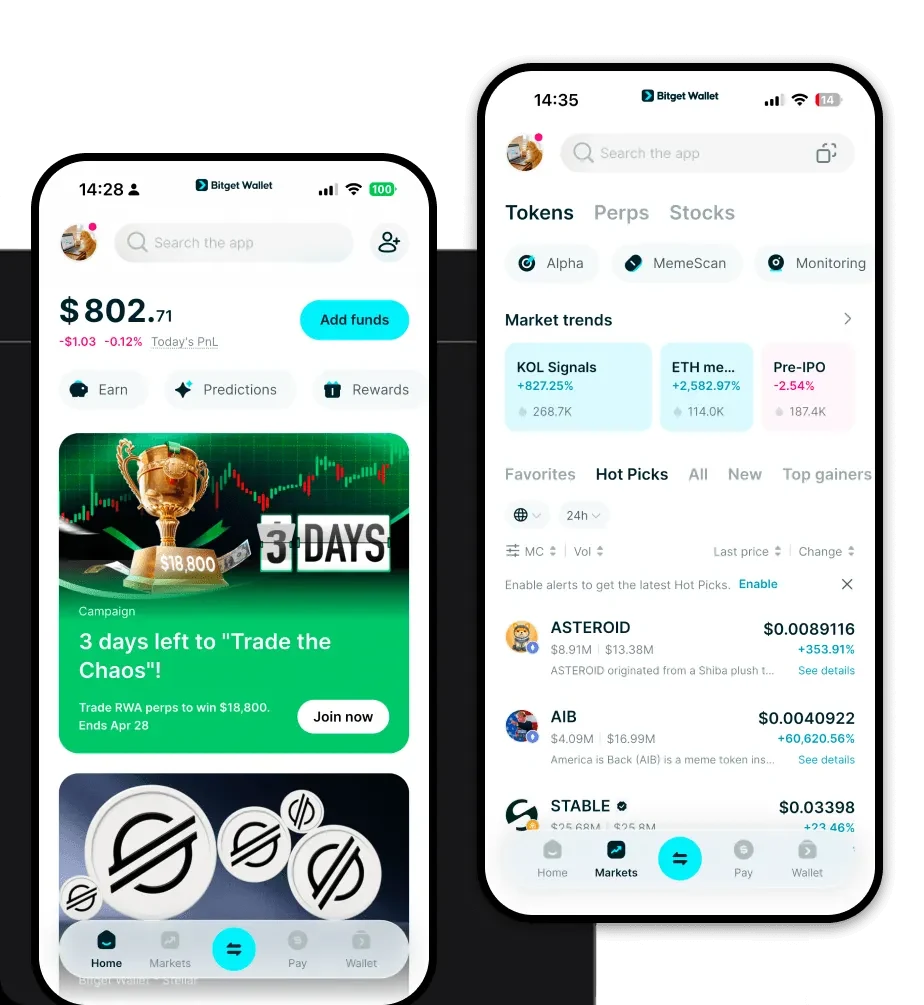
To start managing your FDT tokens securely, you need a robust interface that bridges the gap between complex DeFi protocols and user-friendly navigation. Bitget Wallet provides a comprehensive solution for this. It offers full multi-chain support, ensuring that you can manage your FDT alongside assets from over 130 other blockchains. With Bitget Wallet, you retain complete control over your assets through self-custody of your private keys, meaning no third party has access to your funds. The platform is available as a mobile application for both iOS and Android, as well as a browser extension for desktop users. You can download Bitget Wallet today to experience a seamless, non-custodial environment designed for modern DeFi users.
3. Why Choose Bitget FDT Wallet?
- EVM Ecosystem Optimization: Since FDT is an EVM-based token, Bitget Wallet is specifically optimized to handle gas fee estimations and transaction signing for EVM networks, ensuring your DeFi interactions are cost-effective and precise.
- Multi-Signature Security Integration: Aligning with Fintoch's focus on security, Bitget Wallet incorporates advanced protection layers, including a massive user protection fund, to safeguard your assets against malicious actors.
- Seamless DApp Connectivity: The built-in DApp browser allows you to interact directly with Fintoch’s financial protocols without leaving the app, providing a smooth user experience.
- Cross-Chain Flexibility: As a user looking to manage assets across different networks, you benefit from Bitget's built-in bridge aggregators, allowing you to swap assets efficiently while keeping your FDT portfolio organized.
4. How to Create an FDT Wallet
Setting up your FDT wallet is a straightforward process designed to prioritize your security:
Step 1: Download the Bitget Wallet app from the official website or your device's app store and open the application.
Step 2: Select 'Create a New Wallet' and follow the prompts to back up your mnemonic phrase. Write this phrase down on paper and store it in a secure, offline location; never share it with anyone.
Step 3: Once your wallet is set up, navigate to the asset management section and search for 'FDT'. If it does not appear automatically, use the 'Add Token' function to import the FDT contract address on its respective EVM network.
Step 4: Your wallet will automatically generate a unique, public EVM-compatible address. This is the address you will use to receive FDT tokens from exchanges or other wallets.
Step 5: Ensure you have a small amount of the native gas token (e.g., ETH or BNB) in your wallet to cover the transaction fees required for any FDT transfers or smart contract interactions.
5. What Can You Do With an FDT Wallet?
Once your wallet is funded, you can actively participate in the Fintoch ecosystem. Your FDT wallet serves as your personal portal for the following activities:
- Cross-chain asset lending: You can utilize your FDT wallet to deposit assets into lending protocols that function across multiple blockchain networks, maximizing your capital efficiency.
- Yield farming: By connecting your wallet to Fintoch’s liquidity pools, you can participate in yield farming to earn returns on your digital asset holdings.
- Staking for rewards: Lock your FDT tokens through the wallet interface to contribute to network security and earn staking rewards as passive income.
- Liquidity provision: You can provide liquidity to decentralized exchanges (DEXs) to facilitate trading, earning a share of the transaction fees generated by the platform.
- Governance participation: Use your wallet to cast votes on protocol upgrades or changes, ensuring you have a say in the future development of the Fintoch ecosystem.
6. How FDT Wallets Are Different from Other Crypto Wallets
Unlike simple storage wallets, an FDT wallet optimized for the EVM ecosystem behaves differently than those built for UTXO-based chains like Bitcoin. While Bitcoin wallets focus on UTXO (Unspent Transaction Output) management and script-based security, an FDT wallet on an EVM chain is account-based. This means your wallet address acts like a smart contract interface, allowing for complex, programmable financial logic. You are not just sending tokens; you are interacting with smart contracts. Consequently, an FDT wallet must be highly efficient at calculating gas fees to ensure transactions are included in the next block, and it must support sophisticated DApp connections that are unnecessary in simpler, non-EVM wallets.
