





What is an EM Wallet?
An EM wallet is a digital gateway designed to interact with the EM token, a specialized asset built to function within the broader Web3 ecosystem. Because EM operates on the EVM (Ethereum Virtual Machine) blockchain, your wallet must be fully EVM-compatible to store, transfer, and interact with the token effectively. EM is a digital asset that can be securely stored and managed using Bitget Wallet. It is designed to be part of the Web3 ecosystem, allowing users to explore decentralized applications and services with a focus on reliability and security. By using a wallet that supports this architecture, you ensure that your assets remain accessible across the diverse landscape of decentralized finance.
Download Bitget EM Wallet
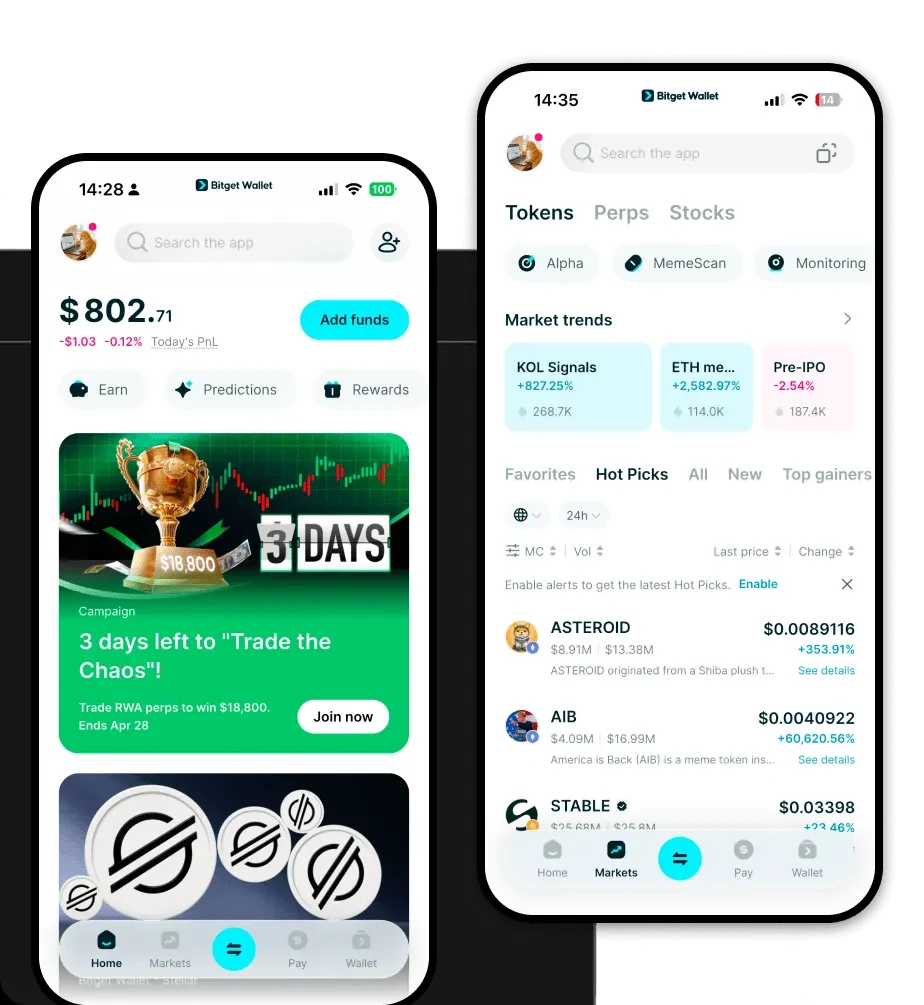
To start managing your EM tokens, you need a robust, user-friendly interface. Bitget Wallet stands out as a premier choice for this purpose, offering a unified experience across desktop and mobile devices. Whether you are using iOS, Android, or a browser extension, the platform provides a seamless entry point into the Web3 world.
You can download Bitget Wallet to gain immediate control over your digital assets. Bitget Wallet emphasizes private key self-custody, meaning you retain full ownership of your assets without relying on centralized intermediaries. It also features extensive multi-chain support, allowing you to manage EM alongside hundreds of other tokens and chains within a single, intuitive interface.
Why Choose Bitget EM Wallet?
Choosing the right wallet for EVM-based infrastructure assets like EM is critical for both security and functionality. Bitget Wallet is optimized for the EVM ecosystem, providing several distinct advantages:
- Native EVM Compatibility: Designed specifically for EVM chains, ensuring that you can interact with smart contracts and decentralized applications without configuration hurdles.
- Advanced Security Infrastructure: Protected by a $300 million user protection fund, Bitget Wallet provides an extra layer of safety for your assets against potential vulnerabilities.
- High Liquidity Aggregation: The wallet integrates with hundreds of DEXs and cross-chain bridges, ensuring you always get the best rates when trading your EM tokens.
- Seamless Cross-Platform Accessibility: Whether you are on the go with your mobile device or analyzing data on your desktop, your portfolio synchronizes instantly, allowing for consistent management.
- Decentralized Ecosystem Integration: Access a vast array of DApps directly through the built-in browser, allowing you to explore the Web3 landscape without leaving your wallet.
How to Create an EM Wallet
Creating your wallet is a straightforward process that grants you full authority over your EM holdings. Follow these five steps to get started:
- Download and Install: Visit the official Bitget Wallet website and download Bitget Wallet for your specific device (iOS, Android, or Chrome extension).
- Create a New Wallet: Open the application and select 'Create a Wallet.' You will be prompted to set a strong, unique password to protect your local device access.
- Backup Your Seed Phrase: This is the most crucial step. You will be given a 12-to-24-word recovery phrase. Write this down on paper and store it in a secure, offline location. Never share this with anyone.
- Verify Your Backup: The app will ask you to re-enter the words in the correct order to ensure you have saved them accurately.
- Access Your Address: Once verified, your wallet is ready. You will see your EVM address on the main dashboard, which you can now use to receive EM tokens.
What Can You Do With an EM Wallet?
An EM wallet is more than just a storage vault; it is an active tool for participating in the digital economy. Here is how you can utilize it:
- Trading: You can execute swaps for EM and other tokens directly within the wallet interface by leveraging aggregated liquidity pools, ensuring minimal slippage.
- Asset Custody: Safely store your EM tokens with the peace of mind provided by self-custody, keeping your private keys away from centralized exchanges.
- Decentralized Finance Interaction: Use your wallet to connect to various DeFi protocols to stake, lend, or borrow, effectively putting your EM assets to work.
- Portfolio Management: Monitor your total holdings in real-time, tracking market fluctuations and your asset performance across different EVM-compatible chains.
How EM Wallets Are Different from Other Crypto Wallets
Not all wallets are created equal, especially when handling EVM assets like EM. Unlike Bitcoin wallets that utilize the UTXO (Unspent Transaction Output) model, an EM wallet operates on an account-based model. This model is designed specifically for stateful smart contracts, which are the backbone of the EM ecosystem. While Bitcoin wallets focus on transaction inputs and outputs, an EM wallet tracks the balance of your address and its associated nonce. Furthermore, because EM runs on EVM, you must manage gas fees—the transaction costs paid to network validators. Unlike resource-heavy models that require staking for CPU or RAM, EVM-based wallets focus on gas optimization, allowing Bitget Wallet to provide real-time gas estimates to ensure your transactions are both cost-effective and processed at the right speed.
