





1. What is a Dill Wallet?
A Dill wallet is a specialized digital interface designed to interact with the Dill network, a cutting-edge modular data availability layer. Because Dill operates within the EVM (Ethereum Virtual Machine) ecosystem, a compatible wallet is essential for managing your assets, interacting with decentralized applications, and participating in the broader modular stack. Dill is a modular data availability network designed to scale Ethereum and other blockchains. It leverages Danksharding-like technology to provide high-throughput, low-latency data availability, ensuring security and decentralization for the modular stack. By using a dedicated wallet, you gain direct access to the infrastructure that powers these high-performance rollups.
2. Download Bitget Dill Wallet
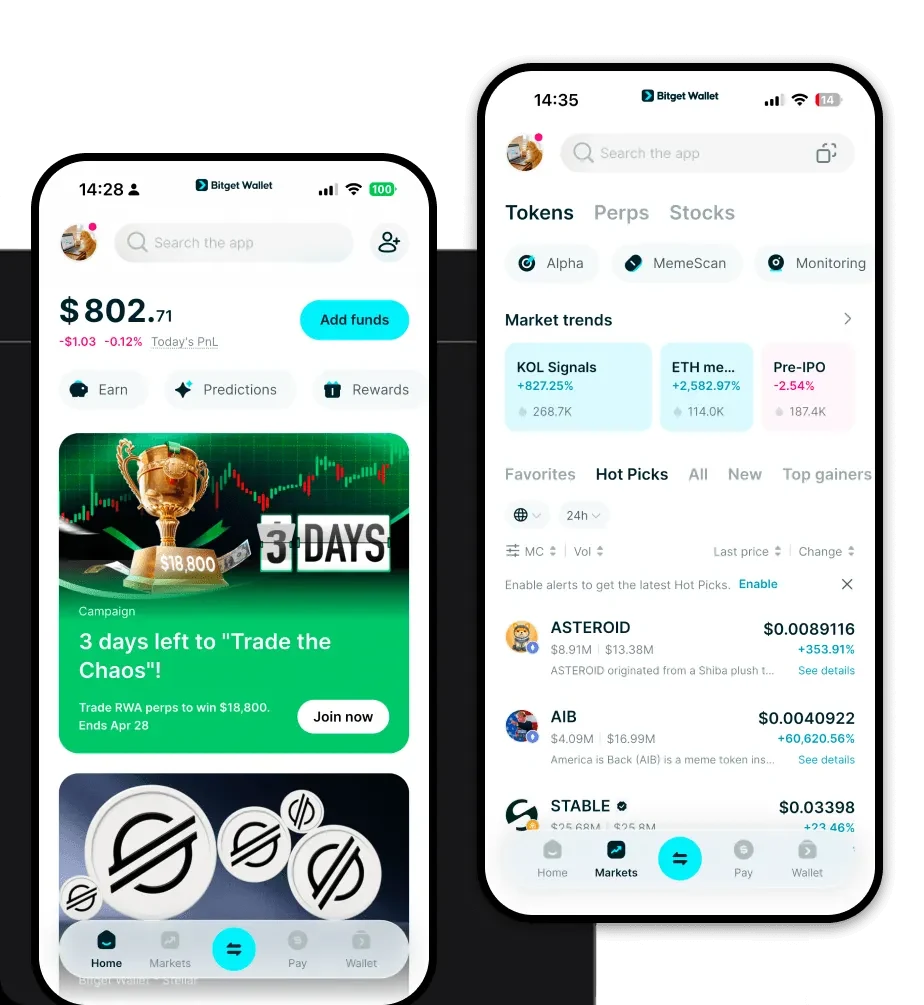
To start your journey with Dill, you need a robust, reliable, and non-custodial gateway. Bitget Wallet provides a seamless experience for users looking to manage their Dill assets with full control. Whether you are using a mobile device or a desktop browser, Bitget Wallet ensures your private keys remain in your custody, giving you absolute sovereignty over your funds. With support for over 130+ blockchains and millions of tokens, it is the ideal tool for navigating the multi-chain landscape. You can download Bitget Wallet directly for iOS, Android, or as a browser extension to begin interacting with the Dill network instantly.
3. Why Choose Bitget Dill Wallet?
Choosing the right wallet for infrastructure-heavy tokens like Dill is critical. Bitget Wallet stands out for several key reasons:
- EVM Compatibility: As an EVM-native infrastructure token, Dill requires a wallet that perfectly integrates with Ethereum-based standards, allowing for seamless gas fee management and smart contract interaction.
- Advanced Security Infrastructure: With a $300 million user protection fund, Bitget Wallet provides institutional-grade security, ensuring your assets are shielded from potential vulnerabilities.
- High-Performance DApp Browser: Easily connect to decentralized applications within the modular ecosystem without leaving your wallet, allowing for rapid interaction with data availability protocols.
- Multi-Chain Aggregation: Since Dill is part of a complex modular stack, Bitget Wallet’s ability to aggregate liquidity from hundreds of DEXs and bridges allows you to swap assets efficiently across different chains.
4. How to Create a Dill Wallet
Setting up your wallet is a straightforward process designed for both beginners and experienced users:
Step 1: Visit the official Bitget Wallet website or your app store to download Bitget Wallet.
Step 2: Open the application and select 'Create a New Wallet' to generate a unique, secure seed phrase.
Step 3: Carefully back up your recovery phrase in a secure, offline location—never share this with anyone.
Step 4: Once your wallet is initialized, navigate to the 'Add Token' feature and search for Dill or add the contract address manually to make it visible in your interface.
Step 5: Your Dill wallet address is now ready; you can copy it from the main dashboard to receive tokens or interact with the network.
5. What Can You Do With a Dill Wallet?
Managing Dill goes beyond simple holding; it is about actively participating in the network's infrastructure. Here is how you can utilize your Dill wallet:
- Securing Modular Rollups: Use your Dill tokens to participate in the consensus mechanisms that underpin the security of various modular rollups.
- Data Availability Sampling: Participate in network operations by performing data availability sampling, ensuring the integrity of the modular stack.
- Staking for Network Security: Lock your Dill tokens in staking protocols directly through your wallet to help maintain the network’s decentralized security and earn potential rewards.
- Governance Voting: Utilize your wallet to cast votes on critical governance proposals that shape the future development and protocol upgrades of the Dill network.
- Paying for Data Storage Fees: Use your wallet to seamlessly pay for data storage services provided by the Dill network, ensuring your data remains accessible and verifiable.
6. How Dill Wallets Are Different from Other Crypto Wallets
Unlike standard wallets that might only focus on simple transactions, a wallet designed for an infrastructure project like Dill must cater to the specific needs of the EVM ecosystem. While Bitcoin wallets focus on UTXO management and security, a Dill wallet is optimized for the Ethereum Virtual Machine (EVM) account model. This means your wallet must handle gas fees efficiently—a crucial aspect of interacting with data availability layers. Furthermore, because Dill is an infrastructure-grade asset, your wallet provides deeper integration with DeFi protocols compared to generic wallets, allowing you to maximize the utility of your holdings while maintaining the speed and low latency required for high-throughput networks.
