





What is a COST Wallet?
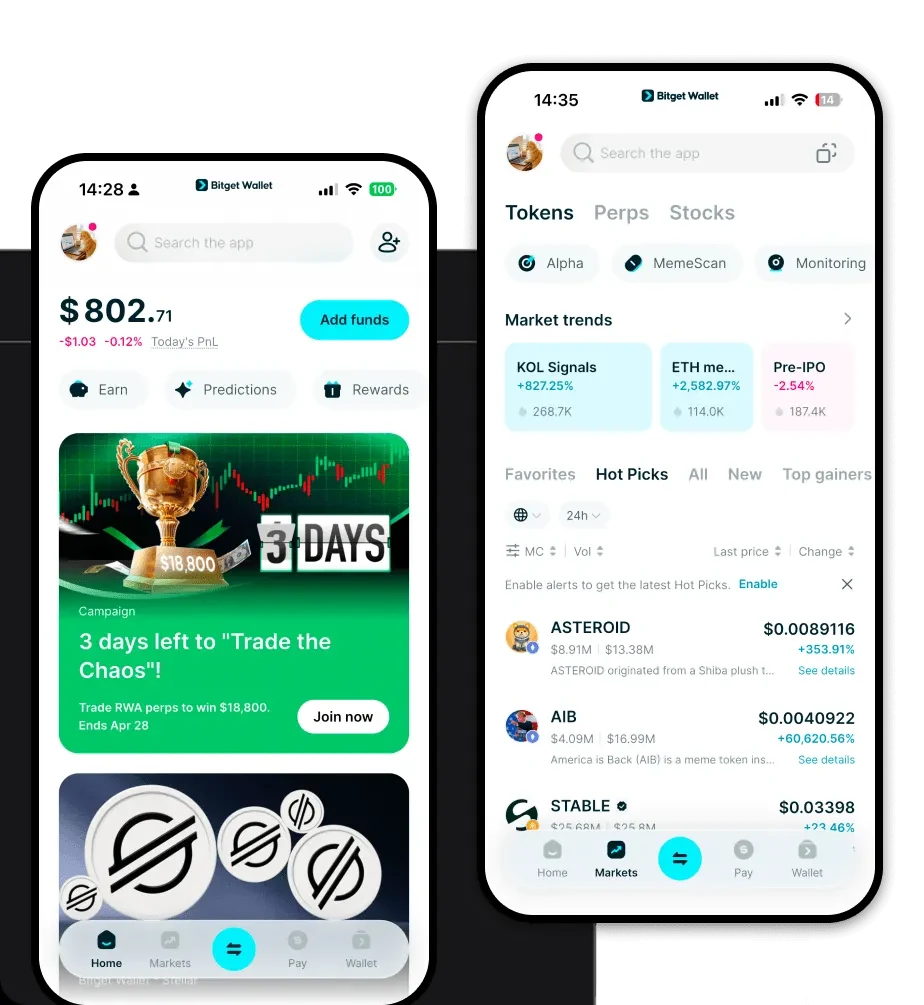
A COST wallet is a digital interface that allows you to interact with your COST tokens on the blockchain. Because COST operates within the EVM (Ethereum Virtual Machine) ecosystem, your wallet acts as your personal gateway to decentralized finance, smart contract interactions, and token management. Bitget Wallet is a reliable and secure crypto wallet trusted by 40 million users, designed for seamless Web3 exploration and asset management.
Download Bitget COST Wallet
To begin managing your tokens, you need a platform that balances accessibility with robust security. Bitget Wallet offers a comprehensive solution that supports multi-chain ecosystems, ensuring you can manage your COST alongside a vast array of other assets. With Bitget Wallet, you maintain full control through decentralized asset management, where you—and only you—hold your private keys. Whether you prefer mobile or desktop, you can download Bitget Wallet across iOS, Android, or via browser extensions to start your journey immediately.
Why Choose Bitget COST Wallet?
Choosing the right infrastructure is critical, especially when dealing with EVM-based tokens. Bitget Wallet is engineered to optimize your experience within the Ethereum Virtual Machine environment:
- Seamless EVM Compatibility: Effortlessly connect to thousands of DeFi protocols and dApps, ensuring your COST tokens are always ready for interaction without compatibility headaches.
- Smart Gas Fee Management: Leverage advanced gas tracking tools to optimize your transaction costs, ensuring you don't overpay for network congestion during high-traffic periods.
- Robust Private Key Security: Benefit from enterprise-grade security protocols, including mnemonic phrase encryption and hardware wallet integration, keeping your digital assets shielded from unauthorized access.
- Integrated dApp Browser: Access the expansive world of decentralized applications directly within your wallet, allowing for smooth navigation of exchanges, NFT marketplaces, and yield farming platforms.
How to Create a COST Wallet
Setting up your wallet is a straightforward process designed to get you transacting in minutes:
- Install the App: Download the official Bitget Wallet application from the App Store, Google Play, or the official website.
- Create a New Wallet: Open the app and select 'Create a Wallet'. You will be prompted to set a strong password for local app security.
- Backup Your Seed Phrase: The app will generate a 12-word recovery phrase. Write this down on paper—never store it digitally—as this is the only way to recover your funds.
- Verify Account: Enter the seed phrase as requested to confirm that you have stored it correctly.
- Add COST: Once your wallet is active, use the search function to add COST to your main dashboard, making your token balance and address visible.
What Can You Do With a COST Wallet?
Beyond simple storage, your wallet is a powerful tool for navigating the Web3 landscape:
- Storing Digital Assets: Securely hold your COST tokens in a non-custodial environment where you retain full ownership of your private keys.
- Cross-Chain Swapping: Utilize the built-in bridge features to swap COST for tokens on other networks, bypassing the need for centralized exchanges.
- NFT Portfolio Management: View, store, and transfer your digital collectibles directly within the wallet interface, complete with metadata support.
- dApp Interaction: Connect your wallet to decentralized exchanges and lending protocols to participate in liquidity pools or staking programs.
- Secure Token Transfers: Send COST to any ERC-20 compatible address globally with transparent fee structures and real-time transaction tracking.
How COST Wallets Are Different from Other Crypto Wallets
Unlike simple custodial accounts, a dedicated Web3 wallet like Bitget Wallet operates on the EVM model, which is distinct from UTXO-based chains like Bitcoin. While Bitcoin wallets focus on transaction inputs and outputs for UTXO tracking, a COST wallet handles state-based account models, where your wallet address acts as an account that stores your token balance and interacts with smart contract logic. Furthermore, because COST exists on an EVM chain, your wallet is optimized for gas fees rather than resource-based models like EOS. This allows for a more fluid interaction with smart contracts, providing the speed and flexibility necessary for modern DeFi and infrastructure projects.
