





What is a computing Wallet?
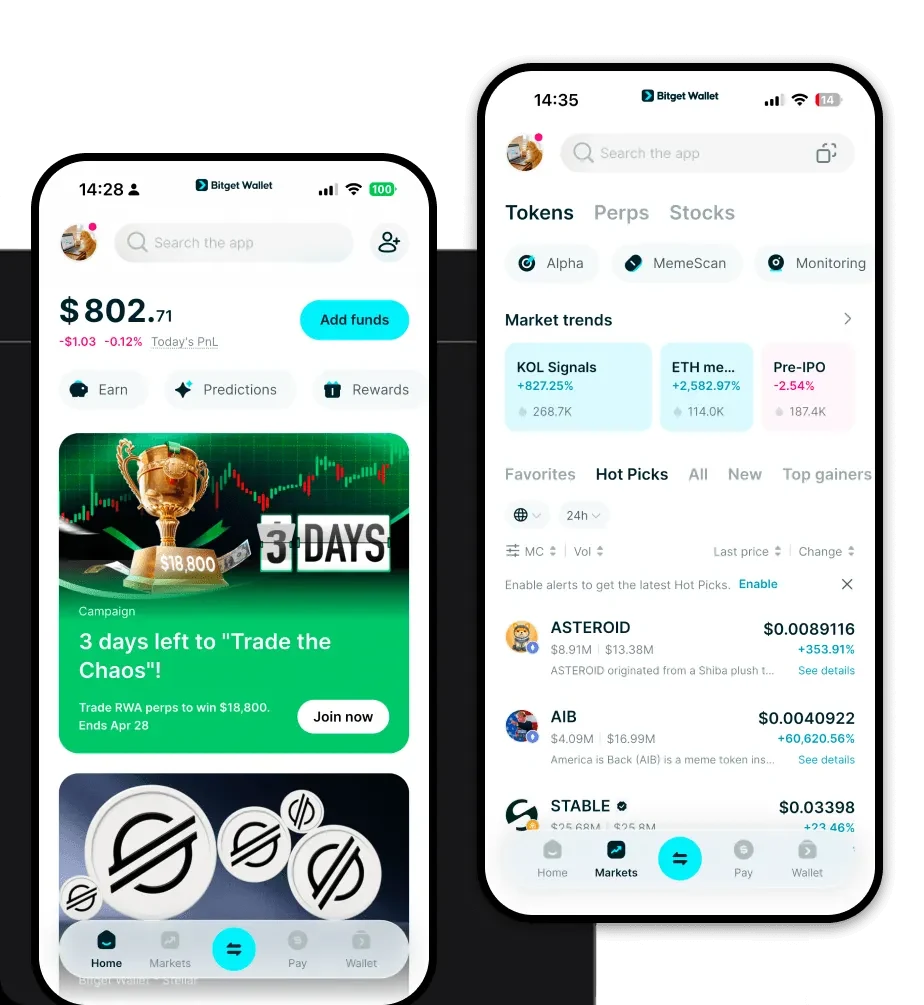
In the context of the decentralized finance landscape, a computing wallet serves as your primary gateway to interacting with the EVM (Ethereum Virtual Machine) ecosystem. It is not just a storage tool but a sophisticated interface designed to facilitate complex on-chain interactions. Bitget Wallet provides a reliable and secure crypto wallet solution for your computing needs, trusted by 40 million users to freely explore the Web3 ecosystem.
Because it operates within the EVM framework, your computing wallet is compatible with the vast majority of decentralized applications, smart contracts, and token standards that define modern blockchain infrastructure. Whether you are managing governance tokens, utility assets, or interacting with decentralized protocols, this wallet ensures that your digital presence is both portable and protected.
Download Bitget computing Wallet
Getting started with your digital asset journey requires a robust tool that balances accessibility with high-grade security. Bitget Wallet offers a seamless experience across all your devices, ensuring your assets are always within reach. You can download Bitget Wallet directly to your iOS or Android mobile device, or install the browser extension to interact with dApps right from your desktop.
The application is designed for both novices and power users, featuring intuitive navigation and enterprise-level asset custody. By prioritizing private key self-custody, Bitget Wallet ensures that you remain the sole owner of your assets, providing an essential layer of security in an increasingly connected Web3 world.
Why Choose Bitget computing Wallet?
- EVM Compatibility: Seamlessly integrate with the Ethereum Virtual Machine, allowing you to connect to thousands of DeFi protocols, NFT marketplaces, and Web3 games without configuration friction.
- Multi-Chain Support: Beyond just the core ecosystem, manage over 130+ mainstream blockchains and millions of tokens from a single, unified interface, eliminating the need for multiple disparate wallet apps.
- Robust Asset Custody: Benefit from a platform backed by a $300 million user protection fund, ensuring that your assets are shielded against unforeseen security vulnerabilities.
- Cross-Chain Interoperability: Utilize built-in bridges to move your assets across different networks efficiently, reducing the complexity of manual swaps and minimizing transaction hurdles.
- Decentralized Application Access: Access a curated, secure DApp browser that allows you to engage with decentralized finance and Web3 services directly from your wallet.
How to Create a computing Wallet
- Install the App: Download Bitget Wallet from the official website or your device's app store.
- Initialize Your Wallet: Open the application and select 'Create a New Wallet' to generate your unique blockchain address.
- Secure Your Mnemonic Phrase: Write down your 12-word recovery phrase on paper and store it in a safe, offline location. Never share this with anyone.
- Set Up Security: Configure your biometric authentication (FaceID/Fingerprint) or a strong PIN code to protect the app interface.
- Add Assets: Once initialized, your EVM address is ready. You can now import tokens or receive funds by sharing your public address.
What Can You Do With a computing Wallet?
Your wallet is the engine of your Web3 activities. Here is how you can maximize your experience:
- Managing digital assets: Use your wallet to view balances, track portfolio performance, and organize tokens across multiple EVM-compatible chains in one centralized dashboard.
- Interacting with dApps: Connect your wallet to lending protocols, decentralized exchanges, and NFT minting platforms to participate in the broader decentralized economy.
- Swapping tokens: Execute instant token exchanges through the built-in DEX aggregator, which finds the best rates and lowest slippage across hundreds of liquidity pools.
- Staking crypto assets: Lock your tokens into verified staking contracts directly through the interface to earn rewards and contribute to network security.
- Exploring Web3 ecosystem: Use the integrated browser to navigate the latest Web3 trends, from decentralized social networks to gaming platforms, without ever leaving your secure environment.
How computing Wallets Are Different from Other Crypto Wallets
Unlike legacy or centralized exchange wallets, a true computing wallet—specifically one built for the EVM—operates on an account-based model. This means your wallet tracks your balance as a state within the blockchain, which is fundamentally different from the UTXO (Unspent Transaction Output) model used by Bitcoin. This account-based structure is what makes EVM wallets so versatile for smart contracts.
Furthermore, Bitget Wallet optimizes the user experience by abstracting the complexities of gas fees. While other wallets might leave you struggling with manual fee adjustments, Bitget’s infrastructure provides intelligent gas estimation, ensuring your transactions are processed at optimal speeds without overpaying. This focus on performance and cost-efficiency makes it a superior choice for frequent interactors of the DeFi space compared to standard, feature-limited crypto wallets.
