




What is a tariff Wallet?
A tariff wallet is a specialized digital interface designed to interact with the tariff token, which operates on the EVM (Ethereum Virtual Machine) blockchain. Because tariff functions within the EVM ecosystem, a compatible wallet must be able to handle smart contract interactions, gas fee management, and the decentralized finance (DeFi) protocols that define this chain. Whether you are holding tariff for long-term investment or actively trading it, using a robust wallet is the first step in maintaining control over your digital assets.
Are you looking for a reliable and secure crypto wallet for your TARIFF? Bitget Wallet will be your best choice. Trusted by 40 million users, you can freely explore Web3 on Bitget Wallet. Start your journey now!
Download Bitget tariff Wallet
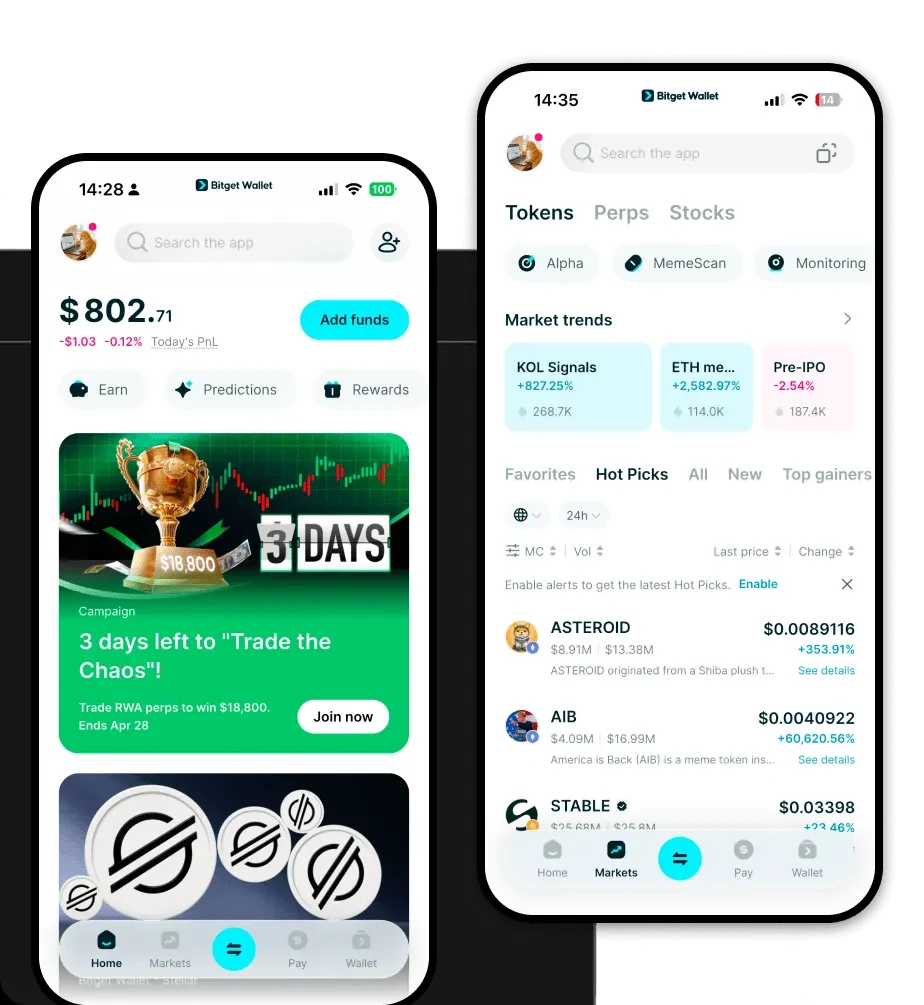
Getting started with your digital journey requires a platform that balances security with usability. Bitget Wallet provides a seamless experience for managing your assets across 130+ blockchains, ensuring that your EVM-based tokens like tariff are always accessible. Whether you are on the move or at your desk, you can download Bitget Wallet across iOS, Android, or as a browser extension. The wallet gives you full control through private key self-custody, meaning you are the sole owner of your funds. With its multi-chain architecture, you don't need to juggle multiple apps; Bitget Wallet aggregates hundreds of DEXs and cross-chain bridges to keep your portfolio organized and efficient.
Why Choose Bitget tariff Wallet?
- EVM Compatibility: Designed specifically for the EVM ecosystem, ensuring smooth interaction with DApps, decentralized exchanges, and smart contracts where tariff is traded.
- Advanced Security Infrastructure: Benefit from a $300 million user protection fund, providing an extra layer of defense against potential on-chain threats.
- Optimized Gas Fee Management: Easily track and adjust your transaction speeds to manage gas costs efficiently, which is critical when navigating the high volatility of Meme tokens.
- Seamless DEX Integration: Access the best liquidity paths directly within the app, allowing you to swap tariff without needing to navigate complex external websites.
- Intuitive UI for Meme Trading: The interface is built to handle the fast-paced nature of community-driven tokens, making it easy to monitor market sentiment and price action in real-time.
How to Create a tariff Wallet
Setting up your wallet is a straightforward process designed to get you into the market quickly and safely:
1. Download and install: Visit the official site to download Bitget Wallet on your preferred device.
2. Create a new wallet: Open the app and select 'Create Wallet'. You will be asked to set a strong password to protect the app locally.
3. Backup your recovery phrase: The app will generate a 12 or 24-word recovery phrase. Write this down on paper and store it in a secure, offline location. Never share this with anyone.
4. Verify your phrase: Confirm your recovery phrase within the app to ensure you have recorded it correctly.
5. Access your address: Once verified, your EVM-compatible address is ready. You can now import or receive tariff tokens directly to this wallet.
What Can You Do With a tariff Wallet?
Owning a wallet is about more than just holding tokens; it is your gateway to the ecosystem. With your tariff wallet, you can engage in:
- Speculative trading: Take advantage of high volatility by swapping tariff for other assets directly through the wallet's integrated DEX aggregator.
- Liquidity provision: Connect your wallet to supported DeFi protocols to provide liquidity and earn rewards based on trading volume.
- Community participation: Use your wallet to interact with community-driven governance platforms or claim tokens related to the tariff ecosystem.
- Portfolio diversification: Easily swap between tariff and other mainstream or emerging assets to balance your risk profile across the EVM ecosystem.
- Yield farming: Lock your assets into decentralized protocols through the DApp browser to earn interest or governance tokens.
How tariff Wallets Are Different from Other Crypto Wallets
The primary difference lies in the underlying architecture. Unlike Bitcoin wallets, which utilize a UTXO (Unspent Transaction Output) model, a tariff wallet operates on an account-based model typical of the EVM. This means the wallet tracks your balance as a single total, making it much easier to interact with smart contracts and complex DeFi applications. Furthermore, while some chains utilize resource models (like CPU/NET/RAM in EOS), the EVM model focuses on gas fees as the mechanism for prioritizing transactions. A high-quality wallet like Bitget understands this distinction, optimizing for the specific EVM environment to ensure your transactions are processed with the right gas settings, preventing stuck transactions during periods of high network congestion.
